Shelving and Systems: How to Choose the Optimal Solution for Warehouse Storage

Shelving and Systems: How to Choose the Optimal Solution for Warehouse Storage
A well-organised warehouse starts with the right storage solution. Whether you run a small e-commerce business, a workshop, or a large distribution centre, the choice of shelving and systems is crucial for efficiency, safety, and cost-effectiveness. But how do you find the solution that best fits your needs? Here’s a guide to choosing the optimal warehouse storage – from planning to implementation.
Start by Assessing Your Needs
Before investing in shelving, it’s essential to understand what you actually require. Consider:
- What type of goods are you storing? Are they small components, boxes, pallets, or long items such as pipes and beams?
- How often are items accessed? Fast-moving goods should be easily reachable, while rarely used items can be stored higher up or further away.
- How much space do you have? Measure both floor area and ceiling height – many warehouses overlook the potential of vertical space.
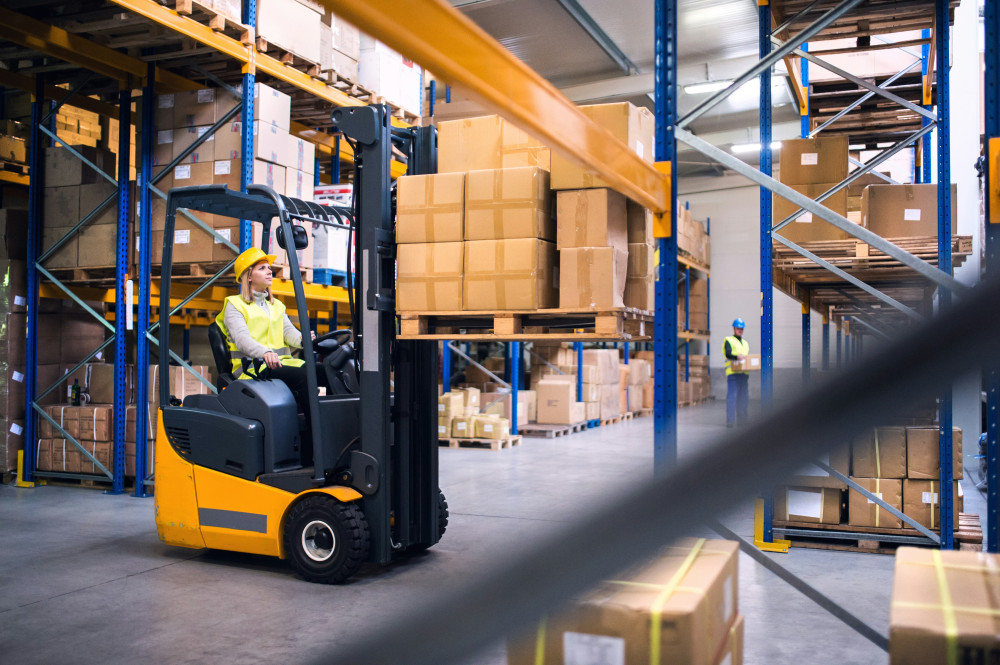
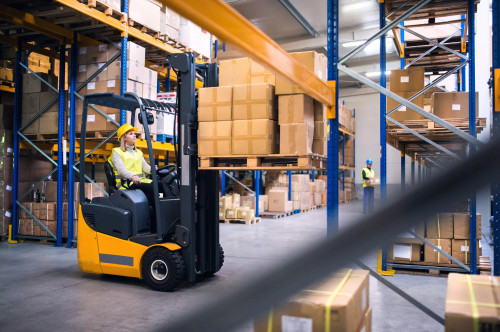
- How are goods handled? Will they be moved manually, with pallet trucks, or forklifts?
A thorough needs analysis makes it easier to choose a system that meets both current and future requirements.
Læs også:


Know the Most Common Types of Shelving
There are many types of shelving, each with its own advantages. The most common include:
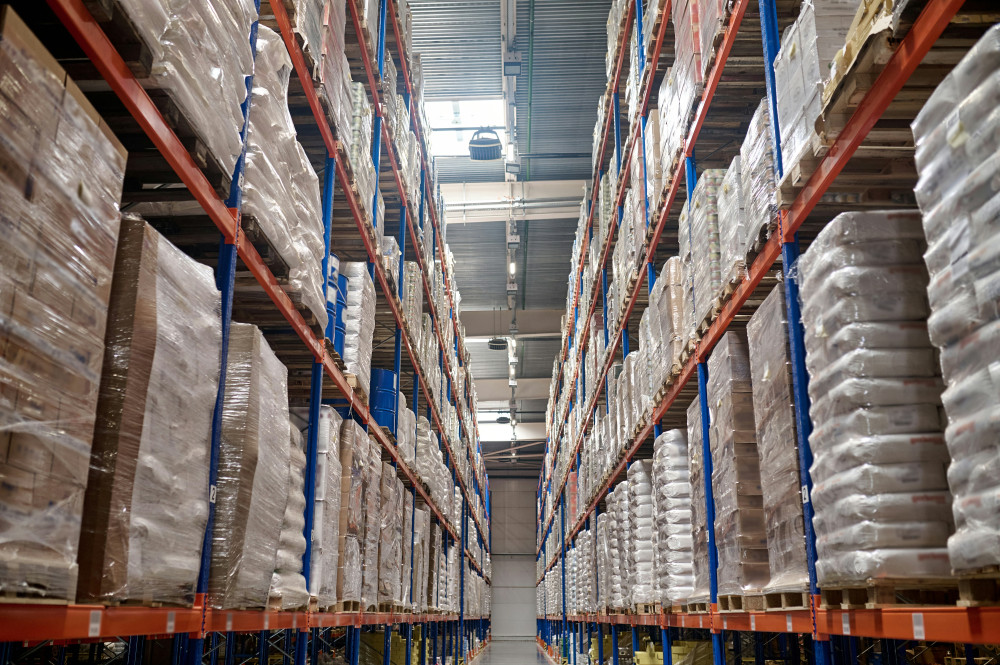
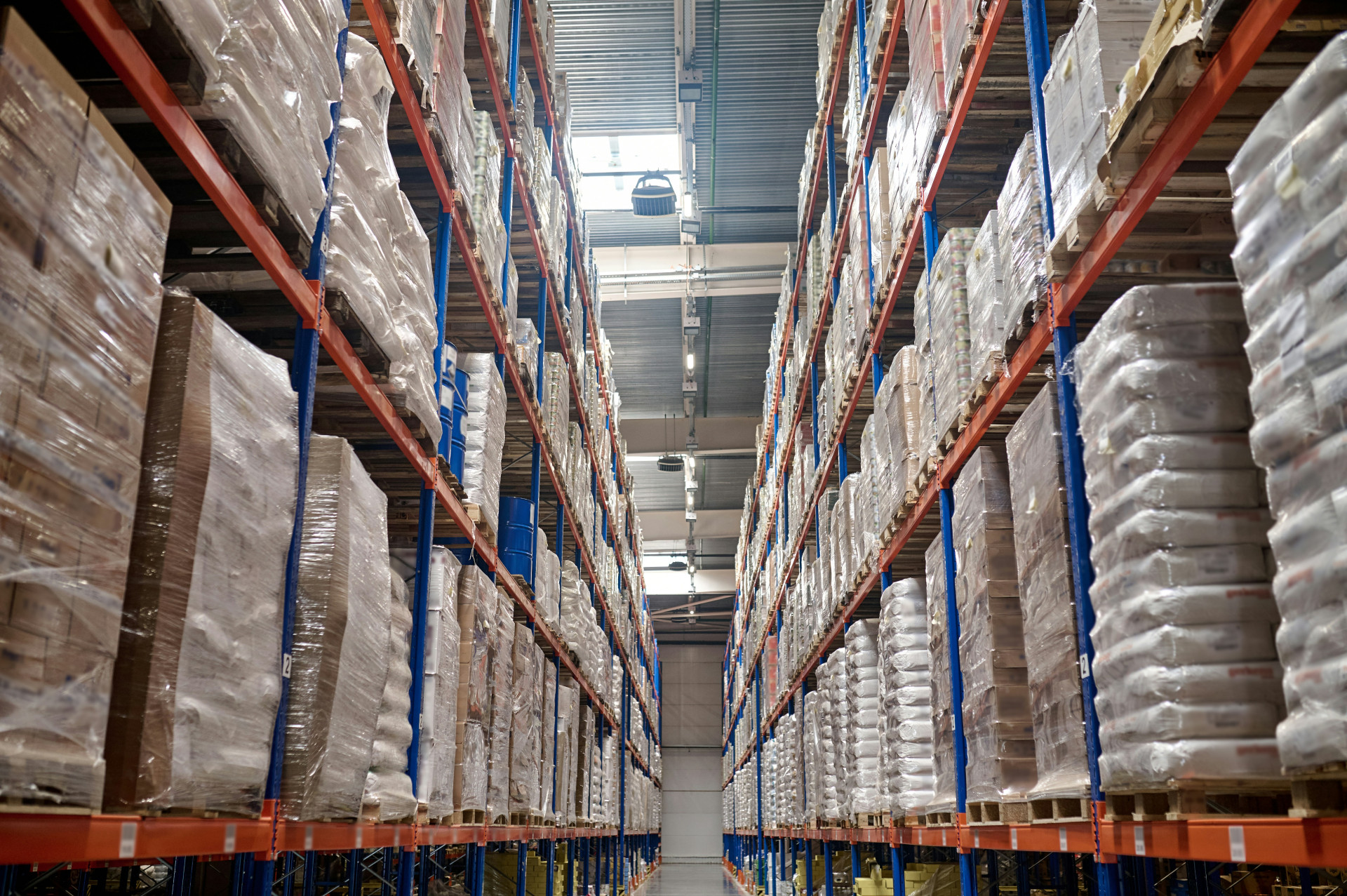
- Pallet racking – ideal for heavy goods and large quantities of uniform items. It offers flexibility and adjustable height.
- Cantilever racking – designed for long items such as timber, pipes, or steel profiles, providing easy side access.
- Small parts shelving – suitable for smaller items and bins, often used in workshops and picking areas.
- Drive-in and flow racking – maximises space by allowing pallets to move forward automatically, perfect for high-turnover goods.
- Mobile shelving – mounted on tracks so units can be moved to free up aisles, a space-saving option for smaller warehouses.
Your choice depends on how you operate and how much flexibility you need.
Think in Systems – Not Just Shelving
A modern warehouse is about more than just shelving; it’s about the entire system surrounding it. Consider how your shelving integrates with:
- Picking and packing stations – position them close to frequently accessed goods to reduce travel time.
- Warehouse management systems (WMS) – digital tools can optimise picking routes, track inventory, and reduce errors.
- Safety and ergonomics – ensure aisles, lighting, and access routes comply with UK health and safety regulations.
- Future scalability – choose a system that can expand as your business grows.
When shelving and systems are planned together, you create an efficient workflow that saves both time and resources.
Safety and Maintenance
Shelving is a long-term investment – but only if it’s used and maintained correctly. Make sure to:
- Inspect regularly – check for damage, loose bolts, and overloading.
- Follow load limits – always adhere to the manufacturer’s weight and distribution guidelines.
- Train staff – everyone working in the warehouse should understand safety procedures.
- Use clear signage – display maximum load capacities and mark aisles clearly.
A safe warehouse isn’t just a legal requirement – it’s essential for smooth, uninterrupted operations.
Sustainability and the Environment
Sustainability is increasingly important in UK business operations, and warehouse design is no exception. Choose shelving made from recycled or recyclable materials, or systems that can be dismantled and reused. Efficient use of space can also reduce heating, lighting, and transport needs – benefiting both the environment and your bottom line.
Seek Professional Advice
While many shelving systems can be purchased online, professional advice is often worth the investment. An experienced supplier can help design a warehouse layout, calculate load capacities, and ensure installation meets British and European standards. This can save both time and costly mistakes in the long run.
The Optimal Solution Fits Your Everyday Operations
There’s no one-size-fits-all solution for warehouse storage. The goal is to find the combination of shelving and systems that suits your goods, your space, and your workflow. With careful planning, a focus on safety, and an eye on future growth, you can create a warehouse that’s efficient, flexible, and ready for what’s next.
Læs også: