Data Meets Experience – Making Decisions on a Solid Foundation in Warehouse Management


Data Meets Experience – Making Decisions on a Solid Foundation in Warehouse Management
In an age where data flows freely and digital tools grow ever more sophisticated, it can be tempting to believe that numbers alone hold all the answers. Yet in warehouse management – as in many other areas of business – it is the combination of data and human experience that leads to the best decisions. When analytical models meet practical insight, a solid foundation emerges for optimising processes, reducing waste, and ensuring that goods are always where they need to be.
From Gut Feeling to Data-Driven Decisions
For many years, warehouse management relied heavily on routine and experience. The seasoned warehouse operative knew when demand would peak and which products should never run out. But with increasing complexity, a wider range of products, and growing expectations for rapid delivery, gut feeling alone is no longer enough.
Today’s digital systems can analyse historical data, forecast demand, and suggest optimal reorder points. This allows decisions to be made on a more objective basis – but that doesn’t mean experience has lost its value. On the contrary, it is essential for knowing when to interpret data with caution and when real-world conditions call for an adjustment.
Læs også:
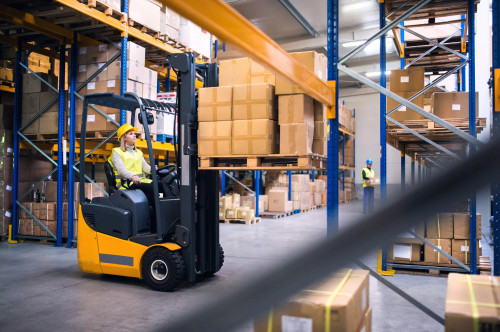

When Data Doesn’t Tell the Whole Story
A warehouse is a dynamic environment where unexpected events can occur: a delayed shipment, a sudden shift in customer behaviour, or a marketing campaign that sends demand soaring. Data can provide a clue, but it’s the experience of the staff that makes the difference.
Take seasonal products, for example. A system can calculate when demand typically rises, but an experienced warehouse manager knows that weather patterns, local events, or changes in promotion can alter those trends. By combining data with this knowledge, businesses can respond faster and more accurately.
Technology as Support – Not Replacement
The best results come when technology is used as a tool to support human decision-making. Modern warehouse management systems can provide real-time inventory visibility, optimise picking routes, and predict bottlenecks. But it is still people who must assess how the system’s recommendations fit into day-to-day operations.
Dashboards and reports are a good example. They allow management to spot trends and act quickly, but the numbers must be put into context. A sudden rise in returns might point to a production issue – or simply a change in packaging. Here, dialogue between data analysts and warehouse supervisors is crucial.
Experience as the Key to Implementation
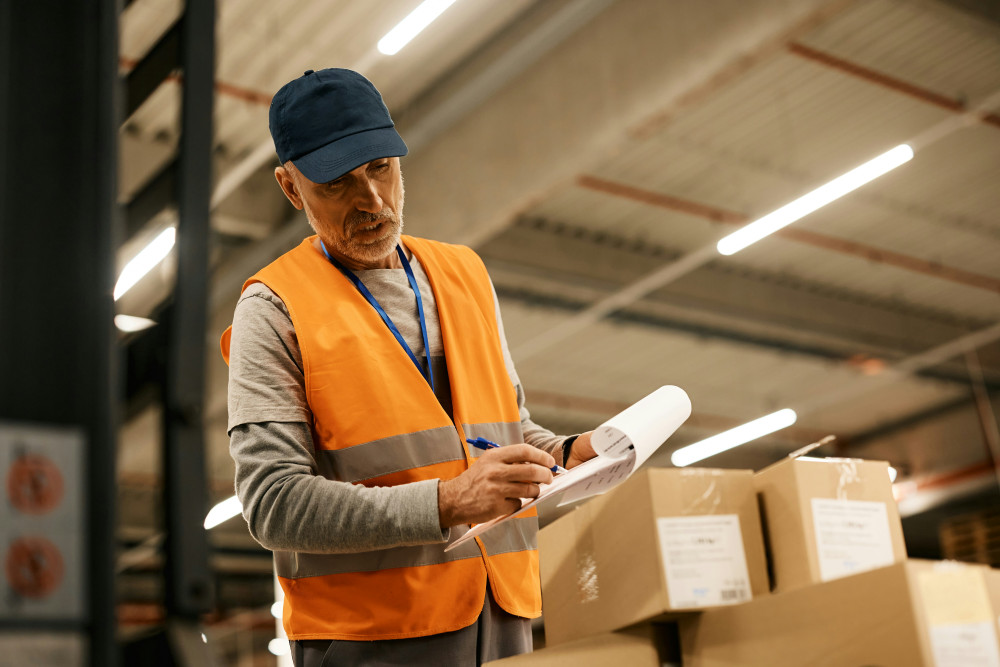
When new systems and processes are introduced, the experience of warehouse staff often determines whether the implementation succeeds. They understand the practical challenges, know where bottlenecks occur, and can advise on how technology can best be adapted to reality. That’s why the introduction of data-driven solutions should always happen in close collaboration with those who work on the warehouse floor.
Involving employees early in the process fosters ownership and understanding of how data can be used as a tool – not as a means of control. This strengthens both engagement and the quality of decision-making.
A Culture Built on Learning
Ultimately, combining data and experience is about creating a culture where learning and improvement are part of everyday life. When employees share observations and management uses data to support – not replace – their insights, an environment emerges where decisions become more precise and sustainable.
It requires trust, openness, and a shared understanding that both numbers and experience have value. Because when data meets experience, warehouse management becomes not only more efficient – but also more human.
Læs også: