Green Storage: Design that Supports Recycling and Efficient Waste Sorting

Green Storage: Design that Supports Recycling and Efficient Waste Sorting
A modern warehouse is no longer just about efficient storage and fast handling of goods. As sustainability becomes a key part of business strategy, more attention is being paid to how warehouse design can support recycling, waste sorting, and greener operations. A green warehouse is not only an environmental initiative – it is also an investment in the future of logistics, where resources are used more wisely and employees benefit from a healthier working environment.
From Traditional Warehouse to Sustainable Workplace
Many warehouses have been designed with efficiency and space utilisation in mind, but often without considering environmental impact. A green warehouse integrates sustainability into every aspect – from material choices and energy use to waste management and packaging reuse.
It can start with small steps: switching to LED lighting, using reusable pallets and containers, or setting up clear waste-sorting stations. Over time, these actions can evolve into a comprehensive strategy where the warehouse becomes an active part of the company’s sustainability profile.
Design That Makes Sorting Easy
Effective waste sorting depends on making it simple and intuitive for staff. It’s not just about placing bins around the building, but about designing a system that fits the warehouse’s workflow.
- Place sorting stations strategically – close to where waste is generated, such as packing areas or goods-in zones.
- Use clear colour coding and signage – so it’s immediately obvious where cardboard, plastic, metal, and general waste should go.
- Integrate sorting into daily routines – so employees don’t have to walk far or interrupt their work to dispose of materials correctly.
- Show what happens to the waste – for example, display monthly recycling figures to motivate staff and create a sense of ownership.
When sorting becomes a natural part of everyday operations, both efficiency and the quality of recycled materials improve.
Reusing Packaging and Materials
A large proportion of warehouse waste comes from packaging, which means there is great potential for reuse. Many UK companies are now introducing systems where cardboard boxes, filler materials, and plastic wrap are reused internally or returned to suppliers.
Consider:
- Using reusable transport crates instead of single-use packaging.
- Setting up return schemes with suppliers, so pallets and containers circulate in a closed loop.
- Creating collection points for used packaging that can be reused directly in the packing process.
These solutions reduce both waste volumes and the cost of new materials – while sending a clear message of environmental responsibility.
Energy and Environment in Focus
A green warehouse also aims to minimise energy consumption. Modern technology makes it possible to monitor and optimise everything from lighting to ventilation and heating.
- LED lighting with motion sensors ensures lights are only on where work is taking place.
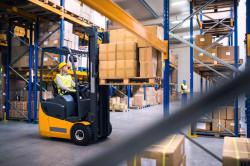
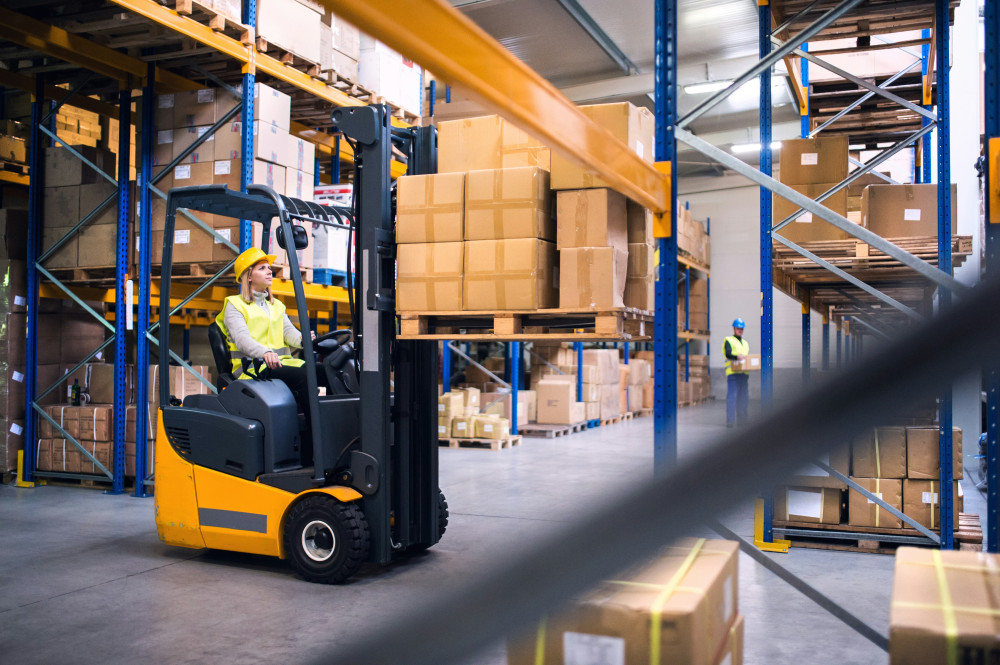
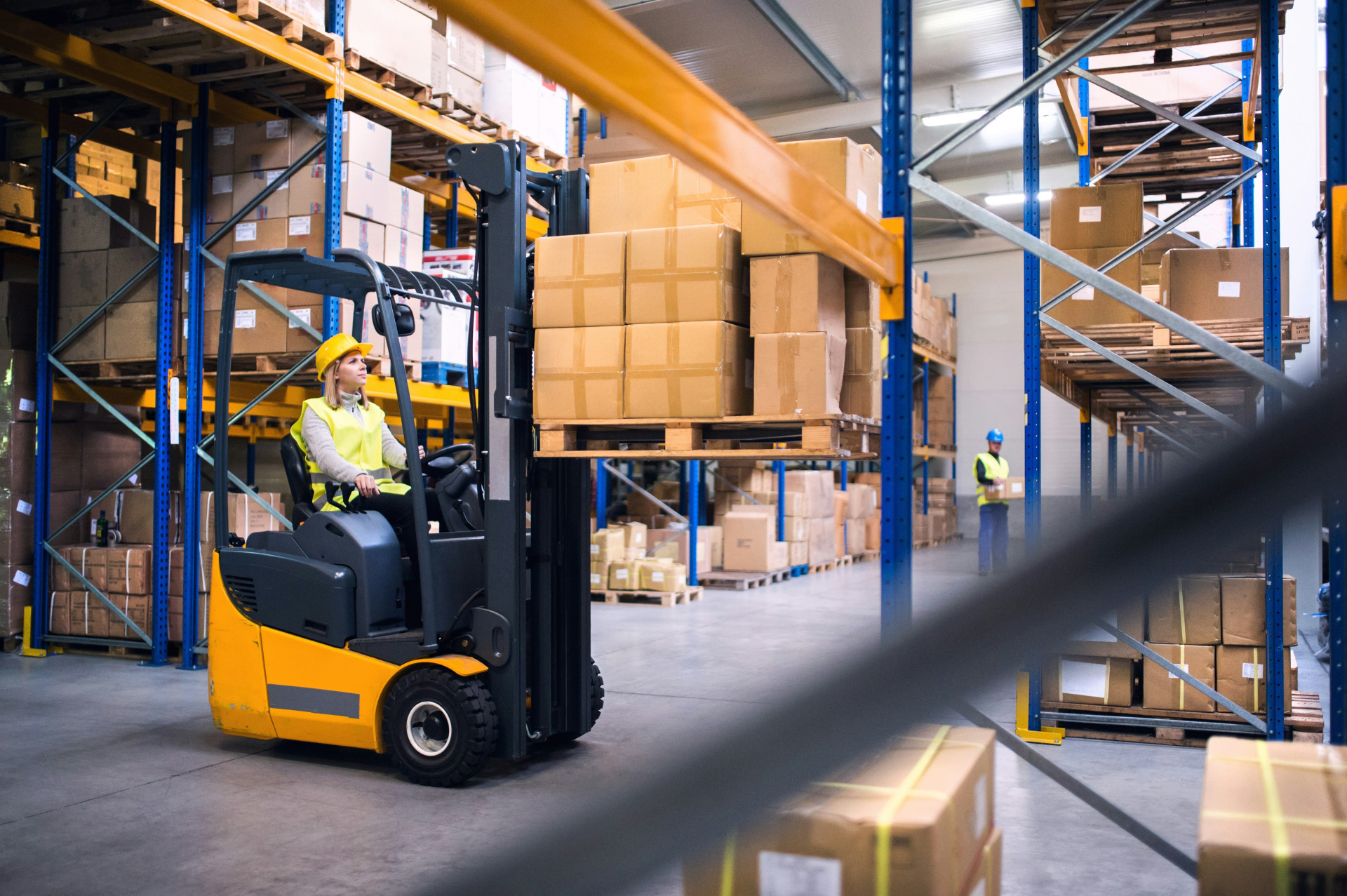
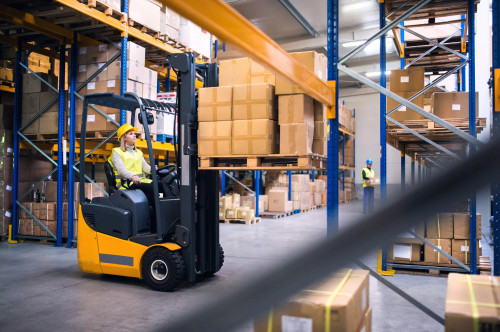
- Energy-efficient forklifts, such as electric or hydrogen-powered models, reduce CO₂ emissions.
- Insulated doors and energy-efficient buildings help prevent heat loss and improve indoor comfort.
By combining green technology with thoughtful design, warehouses can save energy and create better working conditions at the same time.
Engaging Employees in the Green Transition
No sustainability strategy succeeds without employee engagement. It’s essential to involve staff in both planning and daily operations. Training, clear communication, and visible results make a big difference.
Hold short briefings about new initiatives and show how each effort contributes to the company’s overall sustainability goals. Many warehouses find that employees come up with their own improvement ideas when they feel included and informed.
Læs også:
A Green Warehouse Is a Competitive Warehouse
Sustainability is no longer just about image – it’s a competitive advantage. Customers, partners, and regulators increasingly demand evidence of environmental responsibility. A warehouse that can demonstrate effective waste sorting, low energy use, and material reuse stands stronger in the market.
Experience also shows that green warehouses are often more efficient, as they work systematically with processes, organisation, and resource management. In other words, it’s good for the planet – and for the bottom line.
Læs også: