Less Waste, Same Hygiene – Ways to Reduce Single-Use Products in Professional Cleaning

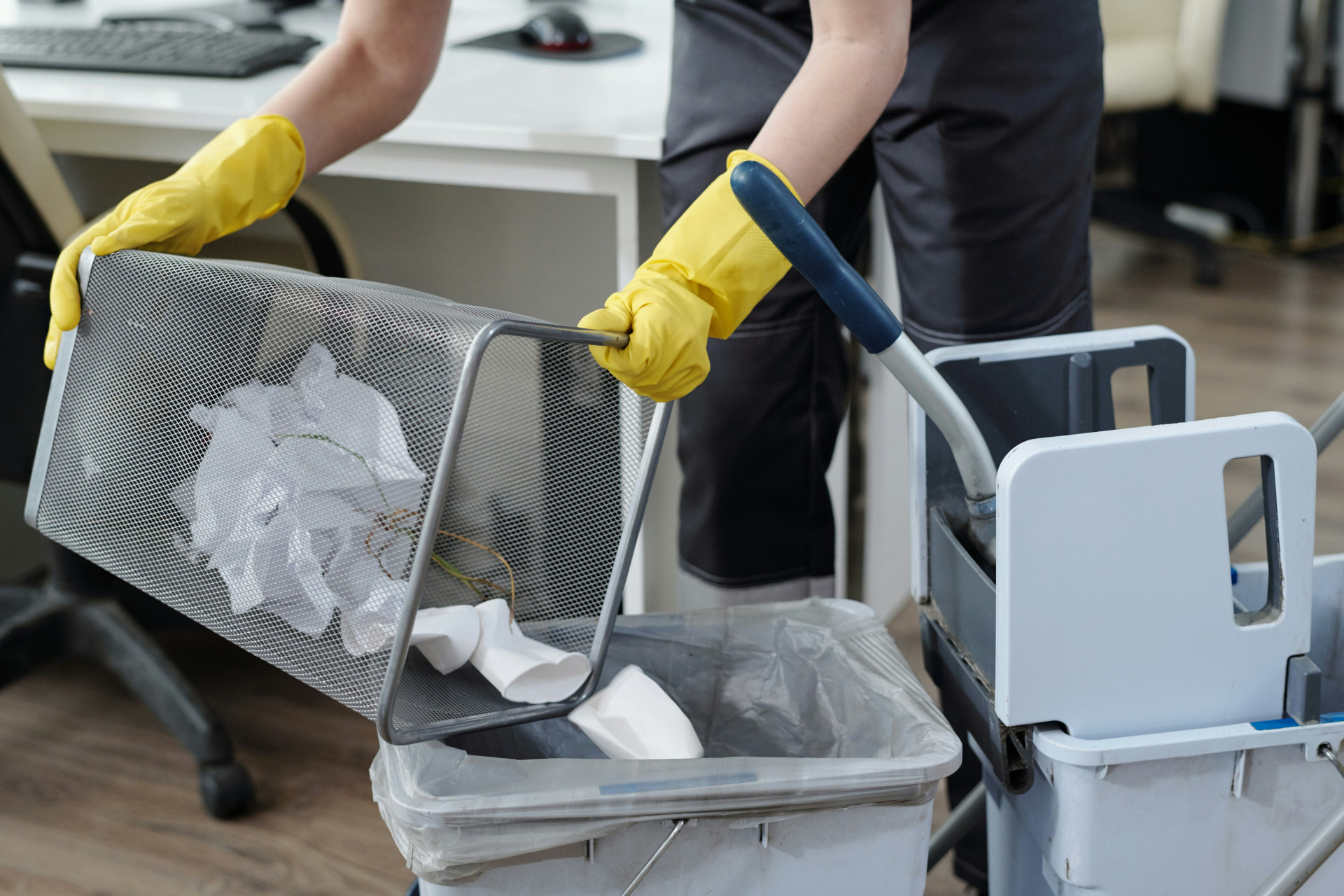
Less Waste, Same Hygiene – Ways to Reduce Single-Use Products in Professional Cleaning
Single-use products have long been a staple of professional cleaning. They are convenient, hygienic, and easy to manage – but they also generate large amounts of waste. As sustainability becomes a key focus for both public and private organisations in the UK, the cleaning industry faces growing pressure to find solutions that reduce waste without compromising hygiene or efficiency. Here, we explore how professional cleaning can move towards less waste and more responsible practices.
The Role – and Challenge – of Single-Use Products
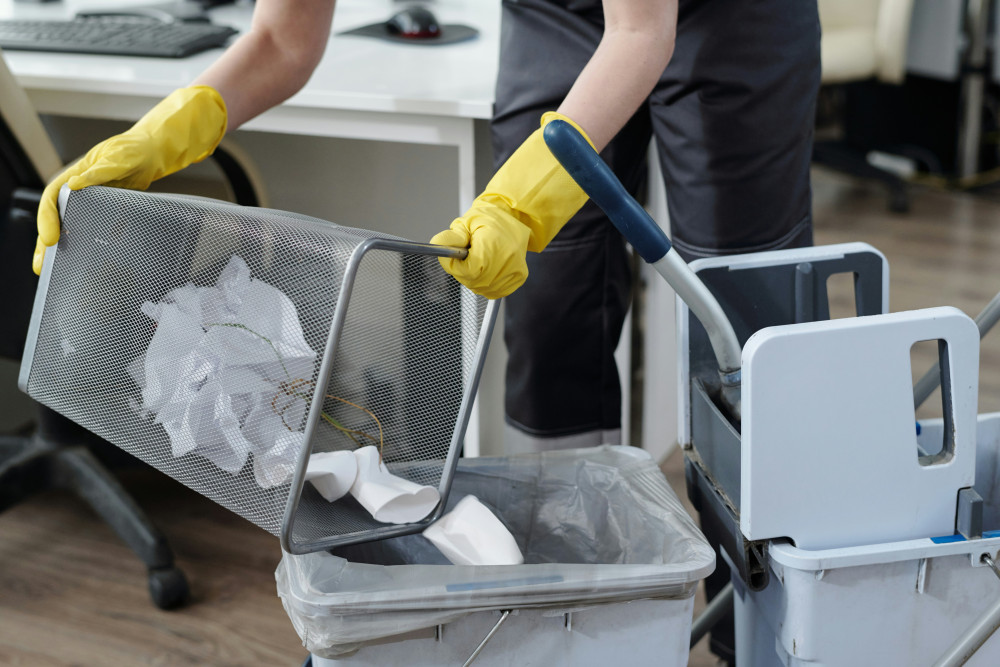
Disposable cloths, mop heads, gloves, and plastic liners are designed to ensure high hygiene standards and efficiency. They help prevent cross-contamination and save time in busy environments such as hospitals, offices, and schools. However, they come with a downside: significant volumes of plastic and textile waste that are often difficult to recycle.
According to data from the UK cleaning sector, disposable items make up a considerable share of waste generated during cleaning operations. This means that even small changes in materials and working methods can have a meaningful impact on environmental performance.
Reusable and Circular Alternatives
An increasing number of suppliers now offer reusable alternatives to traditional single-use products. Washable microfibre cloths and mop heads are a prime example. They can be used many times, provided they are handled correctly to maintain hygiene.
- Washing and logistics: For reuse to work effectively, there must be clear procedures for collection, washing, and storage. Many cleaning companies partner with commercial laundries that can document both cleanliness and environmental standards.
- Material choices: New textiles are being developed with durability and lower environmental impact in mind. Some manufacturers use recycled polyester or bio-based fibres, reducing the need for virgin plastic.
- Circular systems: Some suppliers now offer take-back schemes, where used products are collected and recycled into new materials. This creates a more circular model, turning waste into a resource.
Smarter Dosing and Planning
Waste is not only about products – it’s also about how resources are used. Overdosing cleaning agents or using equipment incorrectly leads to unnecessary waste and environmental strain. Here, technology and training can make a real difference.
- Dosing systems ensure that cleaning agents are used in precise amounts, reducing both chemical use and packaging waste.
- Digital planning tools help optimise routes and tasks, improving efficiency and reducing resource consumption.
- Staff training in correct product use and equipment handling is essential to achieve both hygiene and sustainability goals.
Læs også:

Hygiene Without Compromise
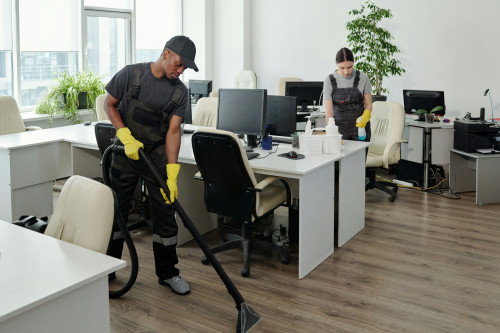
One of the main concerns about reducing single-use products is the potential risk to hygiene. However, experience from UK hospitals, hospitality venues, and office buildings shows that it is possible to maintain high standards – as long as processes are well designed.
- Colour coding and zoning can prevent cross-contamination even when cloths and mop heads are reused.
- Documentation and quality control ensure that washing and handling meet hygiene requirements.
- Combining single-use and reusable solutions can be the most practical approach in many settings – for example, using disposables in high-risk areas and reusables in low-risk zones.
Responsible Procurement
Sustainable cleaning often starts with procurement. By setting requirements for suppliers – such as eco-certifications, recyclable materials, and documented life-cycle assessments – organisations can influence the entire supply chain.
Public sector tenders in the UK increasingly include criteria for waste reduction and circular economy principles. This encourages manufacturers to innovate and makes it easier for cleaning companies to choose greener alternatives without compromising quality or compliance.
A Cultural Shift in the Industry
Reducing single-use consumption is not just about products – it’s about culture. When staff, management, and clients share an understanding of why sustainability matters, it becomes easier to change habits. Small steps, such as reusing cloths or choosing concentrated cleaning products, can collectively make a big difference.
The future of cleaning is not only about spotless results – it’s about responsibility. By combining innovation, knowledge, and care, the cleaning industry can maintain the highest hygiene standards while taking a significant step towards less waste and a more sustainable working environment.
Læs også: