Green Choices in Commercial Leases: Sustainability as a Strategic Competitive Advantage

Green Choices in Commercial Leases: Sustainability as a Strategic Competitive Advantage
Sustainability is no longer a matter of idealism – it has become a core element of business strategy. As customers, employees, and investors increasingly expect companies to act responsibly, the choice of commercial premises plays a crucial role in shaping a company’s green profile. An office that reflects sustainable values can help attract talent, strengthen brand reputation, and reduce operating costs.
But how can businesses turn sustainability ambitions into practical decisions when choosing or fitting out a commercial lease? Here’s an overview of how sustainability can become a strategic competitive advantage – not just a green label.
From Environmental Badge to Business Value
Sustainability was once seen as an additional cost. Today, it is more accurately viewed as an investment in resilience and long-term value. Companies that choose energy-efficient buildings not only reduce their carbon footprint but also lower their running expenses.
A property with strong insulation, efficient heating and cooling systems, and smart energy management can lead to significant savings on electricity and gas. At the same time, it signals responsibility to clients and employees alike – a value that increasingly influences purchasing decisions and recruitment.
Certifications and Standards – What to Look For
When assessing commercial properties, it’s worth considering the building’s sustainability credentials. Certification schemes such as BREEAM, LEED, and WELL evaluate buildings across a range of criteria – from energy use and materials to indoor air quality and occupant wellbeing.
A certified building is more than a green symbol; it’s evidence of a structured approach to sustainability. For tenants and investors, it provides reassurance and can strengthen a company’s ESG reporting and compliance with the UK’s net zero commitments.
Everyday Green Solutions
Even in buildings without formal certification, there are many ways to create a more sustainable workplace. Small changes can make a big difference:
- Energy management: Switch to LED lighting and install motion sensors to reduce unnecessary energy use.
- Waste reduction: Implement clear recycling systems for paper, plastics, and electronic waste.
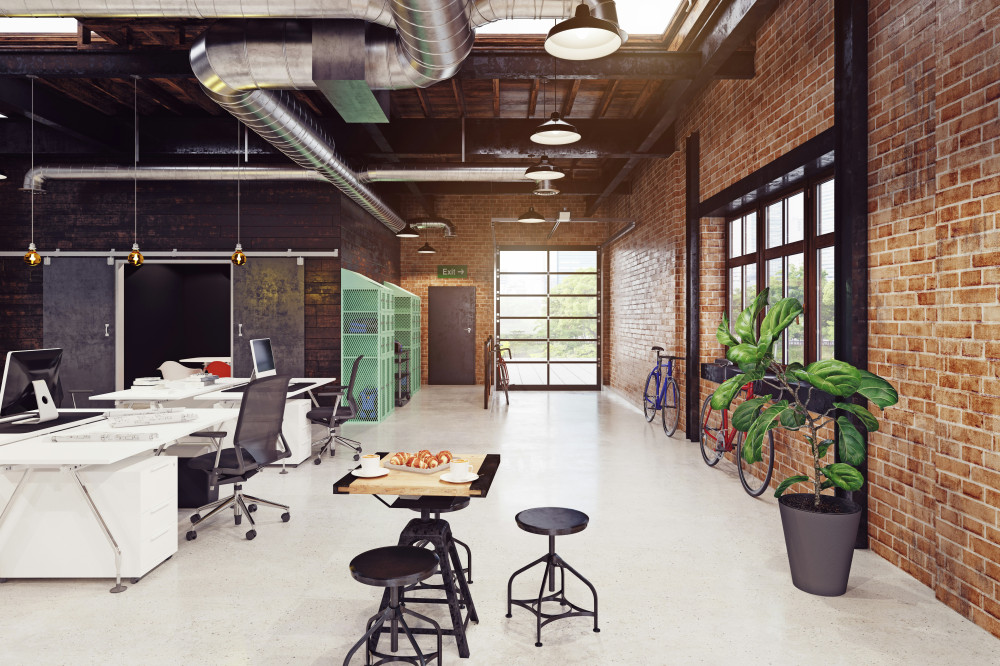
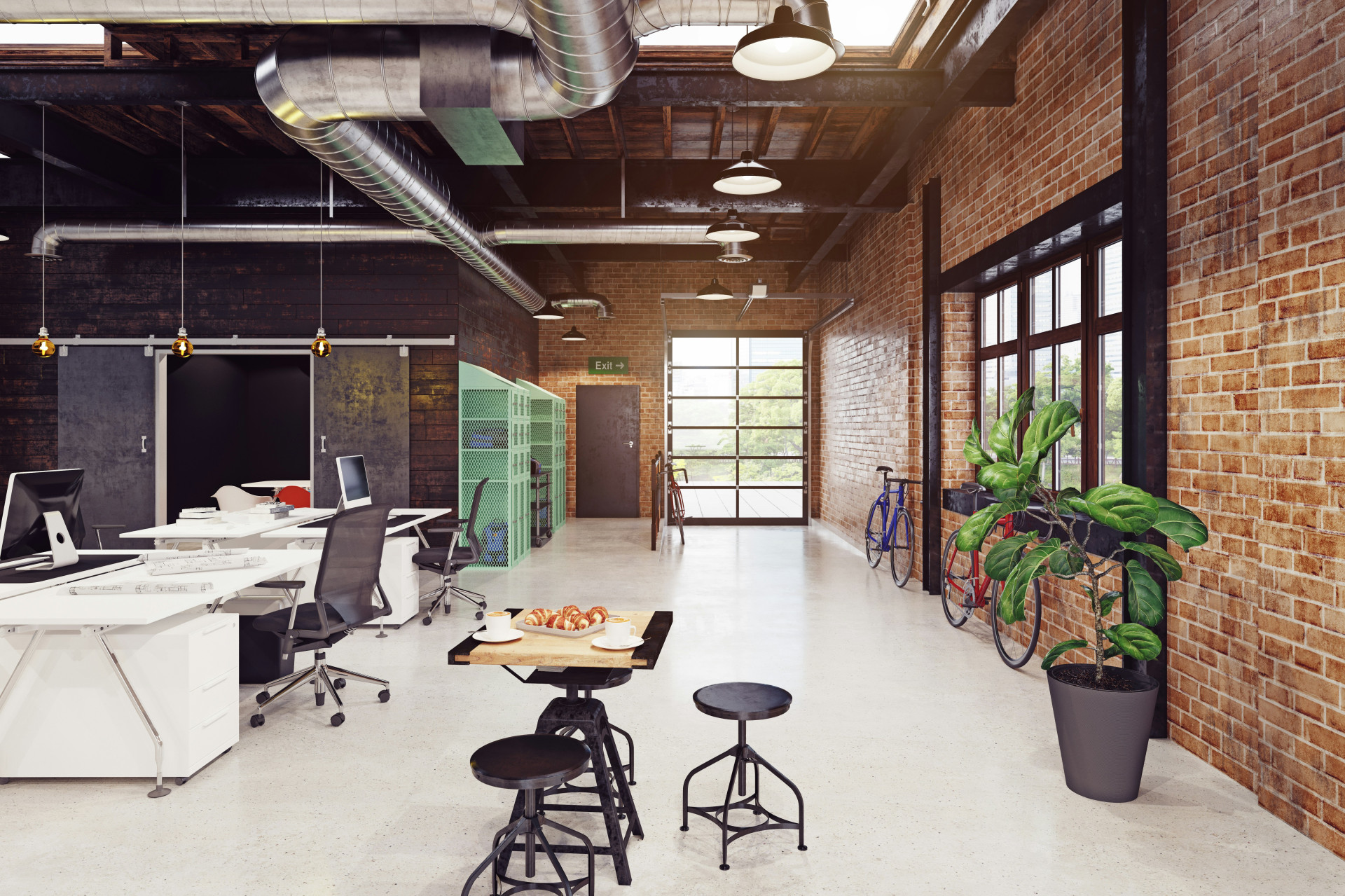
- Transport: Encourage sustainable commuting with cycle storage, EV charging points, and access to public transport.
- Indoor environment: Use plants to improve air quality and choose low-emission materials and furnishings.
These initiatives don’t necessarily require large investments but can enhance wellbeing and reduce environmental impact.
Sustainability as Employer Branding
A green workplace is not only about the environment – it’s also about people. Research shows that younger generations, in particular, value employers who take climate and social responsibility seriously.
An office designed with sustainability in mind communicates modern values and care for employees. This might include using recycled furniture, natural materials, and flexible workspaces that promote collaboration and comfort.
When sustainability becomes part of a company’s DNA – reflected in its physical environment as well as its culture – it strengthens both identity and attractiveness as an employer.
Læs også:
Collaboration with the Landlord
Many landlords in the UK are now open to discussions about sustainability. This could involve shared energy projects, rooftop gardens, or renewable energy supply agreements.
Tenants can benefit from raising sustainability topics early in lease negotiations. Ask about the building’s energy performance certificate (EPC), renewable energy options, and any planned upgrades. A collaborative approach can create value for both parties and make the property more appealing in the long term.
The Future of Commercial Property Is Green
Sustainability is not a passing trend – it’s the new standard. Businesses that integrate green thinking into their property decisions will be better positioned to compete, both economically and reputationally.
It’s not just about reducing environmental impact; it’s about creating spaces that support responsible, future-ready business operations. Green choices in commercial leases are therefore not only an ethical decision – they’re sound business strategy.
Læs også: