Coworking Spaces in Transition – Shaping Flexibility, Digitalisation and Community in the Workspaces of the Future

Coworking Spaces in Transition – Shaping Flexibility, Digitalisation and Community in the Workspaces of the Future
In just a few years, coworking spaces have evolved from being a practical solution for freelancers and start-ups to becoming a cornerstone of the modern work culture. What once began as a way to share rent and resources has turned into a movement centred on flexibility, digital connectivity and community. As technology advances and hybrid work becomes the norm, coworking spaces are redefining what the workplace means. But how are these spaces changing – and what does that mean for businesses and professionals across the UK?
From Fixed Desks to Fluid Workstyles
Flexibility has become the defining feature of contemporary work. Today’s coworking spaces offer everything from dedicated desks to “hot desking” and day passes, allowing members to choose how and when they work. This adaptability enables companies to scale up or down without the burden of long-term leases, while individuals can tailor their work environment to their daily needs.
For freelancers, start-ups and small businesses, this flexibility provides access to professional facilities without the overheads of traditional offices. It also supports a healthier work–life balance, something increasingly valued by the new generation of knowledge workers who prioritise autonomy and wellbeing.
Digitalisation as the Backbone of Modern Work
The digital revolution has made it possible to work from virtually anywhere. Cloud-based tools, video conferencing and collaborative platforms have transformed coworking spaces into hubs of both physical and digital interaction. The best spaces now offer high-speed connectivity, virtual meeting rooms and online member platforms that extend collaboration beyond the walls of the office.
This digital infrastructure supports hybrid work models, allowing members to combine home working with in-person collaboration. At the same time, it raises new demands for data security and IT reliability. Many UK coworking providers are investing heavily in secure networks and digital systems to ensure that members can work confidently and efficiently, whether they are in the office or online.
Community as a Competitive Edge
Even in an age of remote work, people still crave connection. Coworking spaces offer more than just a desk – they create communities. Informal chats over coffee, shared lunches and networking events foster relationships that often lead to new ideas, partnerships and business opportunities.
For entrepreneurs and small firms, this sense of belonging can be invaluable. It’s not uncommon for a casual conversation in a coworking kitchen to spark a collaboration or attract a new client. In this way, community becomes a competitive advantage – a source of innovation, motivation and mutual support.
Design and Sustainability in Focus
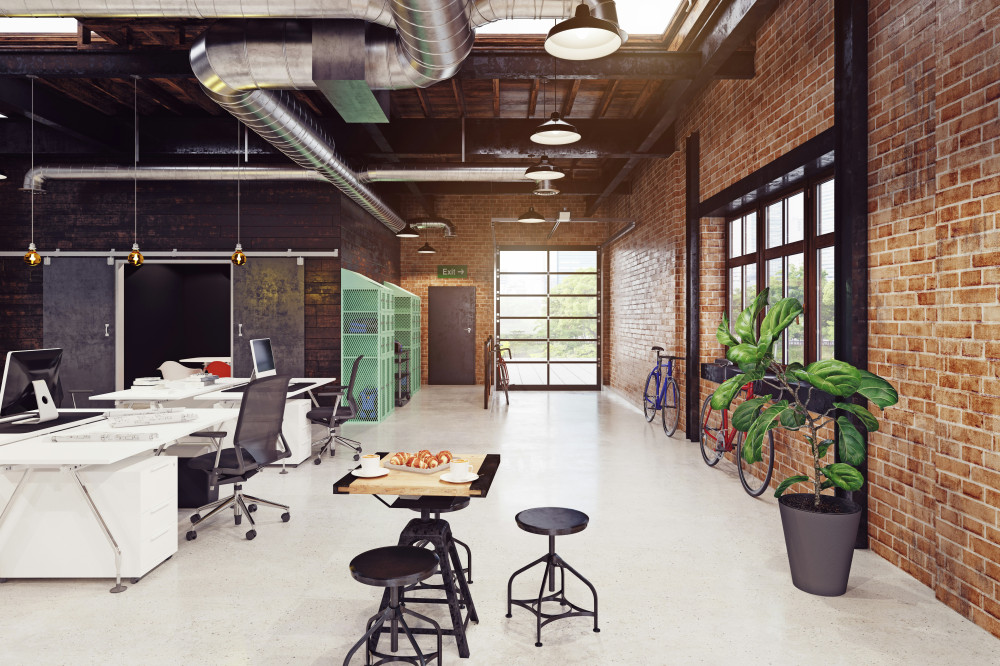
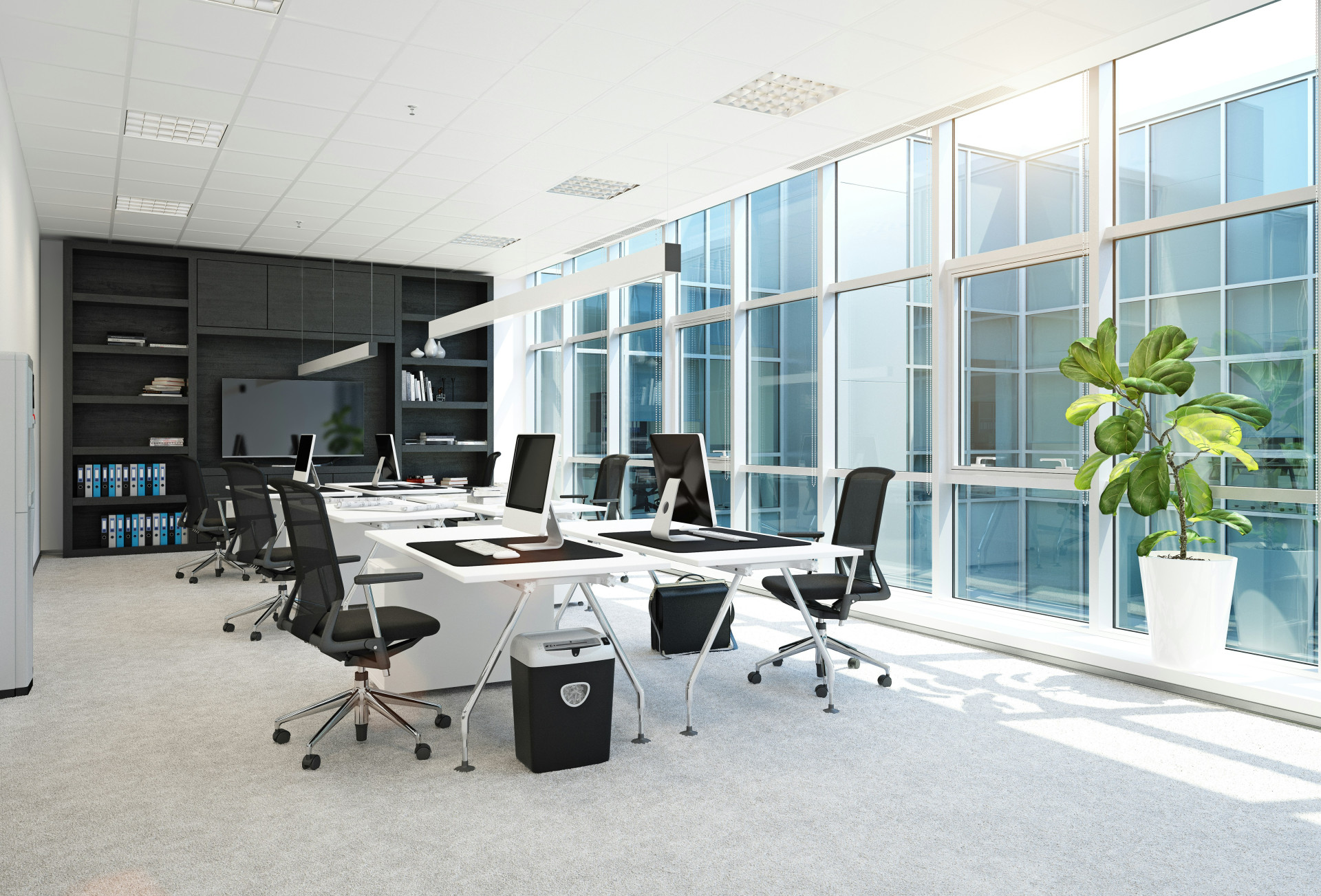
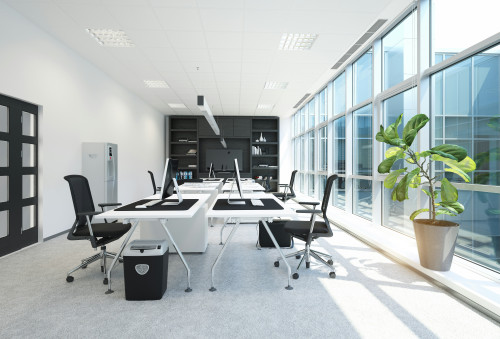
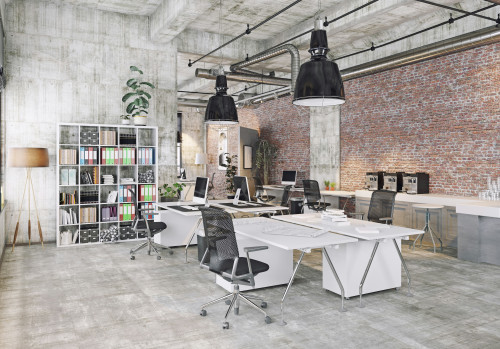
The future of coworking is not only flexible and digital but also sustainable. Across the UK, many spaces are embracing eco-friendly design, from recycled materials and energy-efficient lighting to indoor greenery and natural ventilation. These choices create healthier, more inspiring environments that reflect a growing awareness of environmental responsibility.
Interior design also plays a crucial role. Modern coworking spaces are carefully zoned to support different modes of work – quiet areas for focus, open lounges for collaboration and creative rooms for brainstorming. The goal is to create spaces that nurture both productivity and wellbeing, where aesthetics and atmosphere are integral to the work experience.
Læs også:
Coworking as a Cultural Hub
As hybrid work becomes mainstream, coworking spaces are emerging as cultural anchors for organisations and individuals alike. They are places where teams reconnect, ideas are exchanged and company culture takes physical form. For independent professionals, they offer a sense of belonging – a place to be part of something larger while maintaining autonomy.
Increasingly, coworking spaces are evolving into platforms for learning, innovation and community engagement. They are not just workplaces but ecosystems that shape how we collaborate, create and grow.
A New Era for the Workplace
Coworking spaces are in motion – shifting from practical solutions to strategic choices. They reflect a world where the boundaries between work, technology and community are dissolving. The workplaces of the future will not be defined by square footage but by the relationships, opportunities and values they foster.
For businesses and individuals across the UK, the challenge is to find the coworking environment that best fits their way of working and living. The transformation is already underway – and coworking has become a symbol of the flexible, digital and human-centred work culture that defines the future.
Læs også: