KPIs in Marketing: Use Data to Strategically Prioritise Your Budget

KPIs in Marketing: Use Data to Strategically Prioritise Your Budget
In a landscape where marketing channels are multiplying and competition for consumer attention is fierce, using your marketing budget wisely has never been more important. But how do you know which activities truly create value – and which simply drain resources? The answer lies in your KPIs. By working systematically with data and key performance indicators, you can prioritise your budget strategically and achieve stronger results for every pound spent.
What Are KPIs – and Why Do They Matter?
KPI stands for Key Performance Indicator – measurable metrics that show whether you’re moving in the right direction towards your goals. In marketing, KPIs can include anything from click-through rates and conversion percentages to customer satisfaction and lifetime value.
KPIs act as a compass for your marketing efforts. They help you identify what’s working and where adjustments are needed. Without clear KPIs, decisions are often based on gut feeling rather than evidence – and that can quickly lead to wasted budgets.
Choose KPIs That Reflect Your Strategy
One of the most common mistakes businesses make is trying to measure everything. That approach creates noise rather than insight. Instead, focus on a few relevant KPIs that align with your overall objectives.
- Brand awareness: Track reach, impressions, and brand recall surveys if your goal is to increase visibility.
- Lead generation: Focus on click-through rates, cost per lead, and conversion rates.
- Sales and revenue: Measure ROI, average order value, and customer lifetime value.
- Customer loyalty: Monitor repeat purchases, churn rate, and Net Promoter Score (NPS).
When selecting KPIs, ensure they are SMART: specific, measurable, achievable, relevant, and time-bound. This makes it easier to track progress and make informed adjustments along the way.
Læs også:



Use Data to Allocate Your Budget Effectively
Once your KPIs are defined, you can start using data actively to prioritise your budget. It’s not just about identifying which channels perform best, but also understanding why they perform that way.
Analyse your campaigns across channels: Which ones deliver the lowest cost per conversion? Where do you see the highest engagement rate? And which activities contribute most to the overall customer journey?
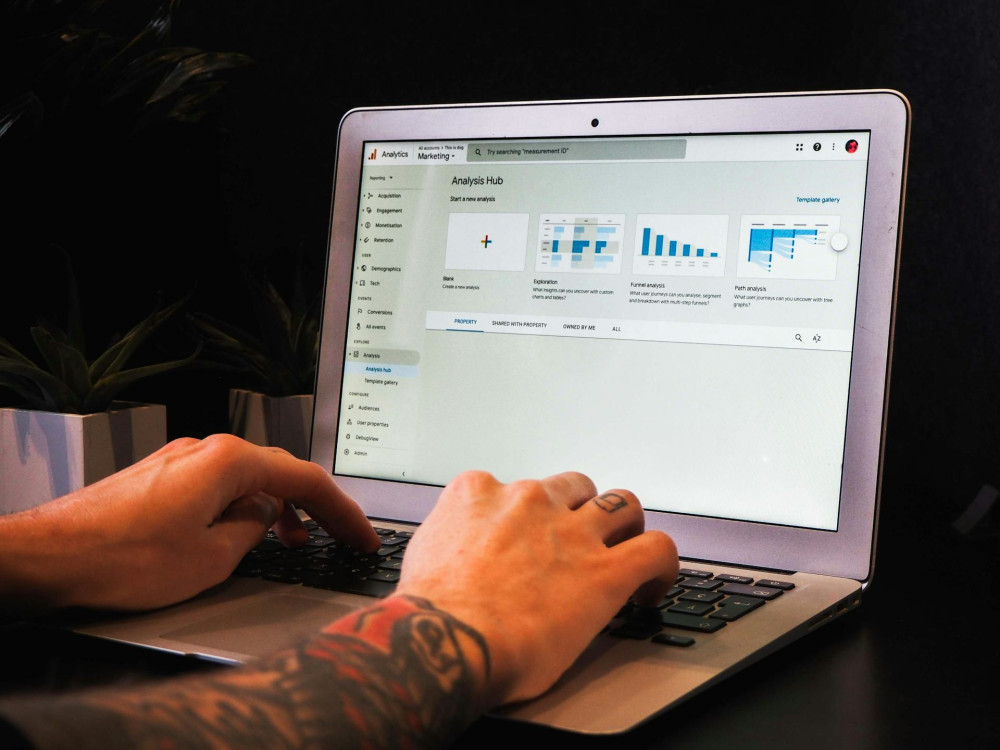
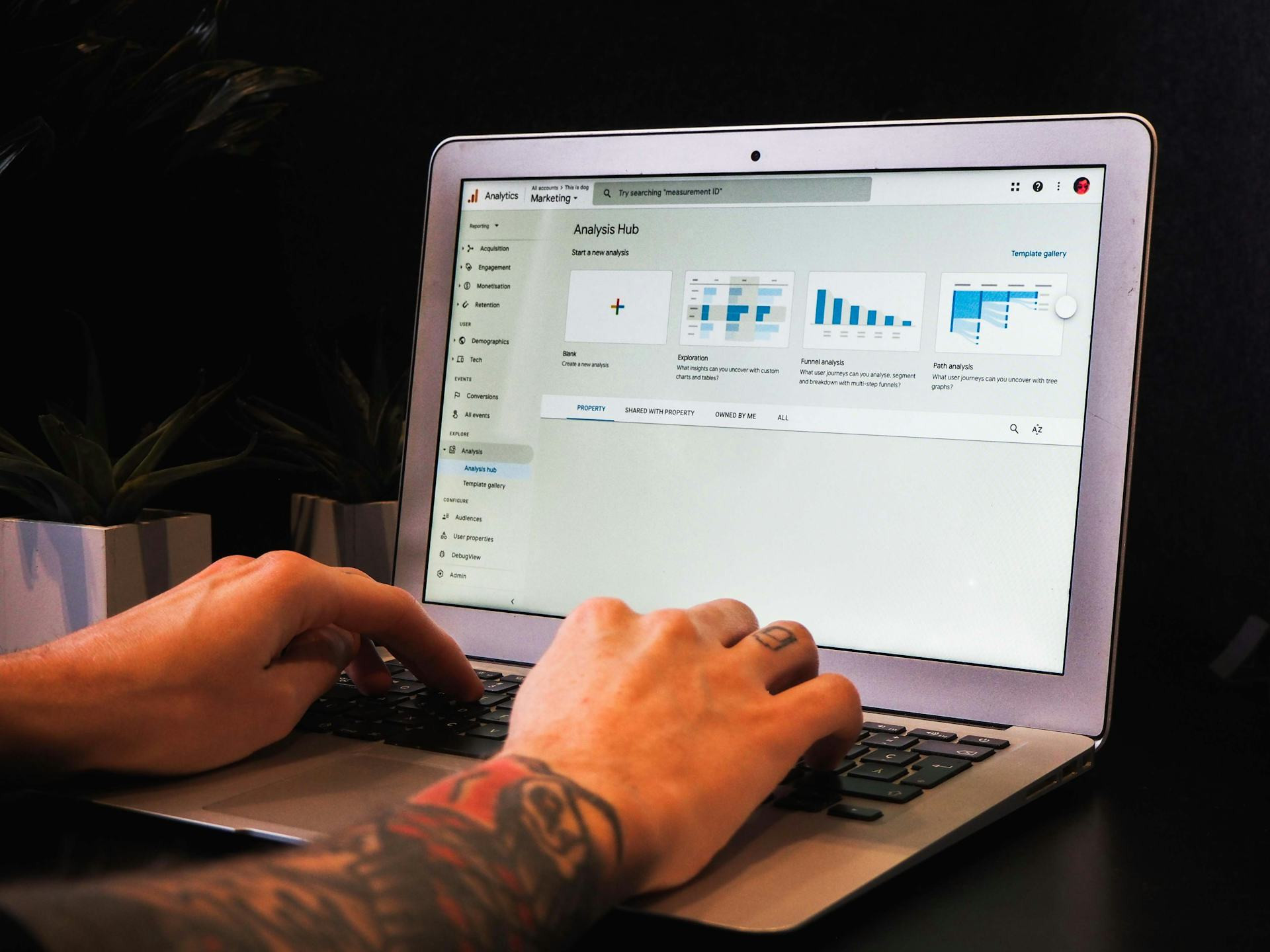
By combining data from tools such as Google Analytics, social media insights, and your CRM system, you can build a complete picture of where your money has the greatest impact. This allows you to shift budget from underperforming to high-performing activities – without increasing total spend.
From Reporting to Action
Many marketing teams spend significant time producing reports but forget to turn numbers into action. KPIs shouldn’t just be measured – they should guide decision-making.
Establish regular routines for reviewing your data, whether monthly or quarterly. Discuss what the numbers reveal and what adjustments are needed. Perhaps you should increase investment in paid search because it delivers strong ROI, or allocate more to email marketing because it drives customer retention.
The key is to make KPIs a tool for learning and improvement – not just a reporting exercise.
Keep the Long-Term Perspective
While data is essential, it’s important not to become too short-sighted. Some marketing activities, such as brand building and content marketing, take time to show results. In these cases, complement hard metrics with softer indicators like awareness, trust, and engagement.
A balanced KPI framework combines both short-term and long-term goals. This ensures you’re not only optimising for next month’s results but also building a strong brand that creates value for years to come.
From Intuition to Informed Decision-Making
Working with data doesn’t mean removing creativity from marketing – it means giving it direction. When you understand your KPIs and use them actively, you can make decisions based on solid evidence and justify your priorities to stakeholders.
That transforms the marketing department from a cost centre into a strategic partner – an investment with measurable impact.
Læs også: