Community as Motivation – How Group Work Enhances Learning on Courses

Community as Motivation – How Group Work Enhances Learning on Courses
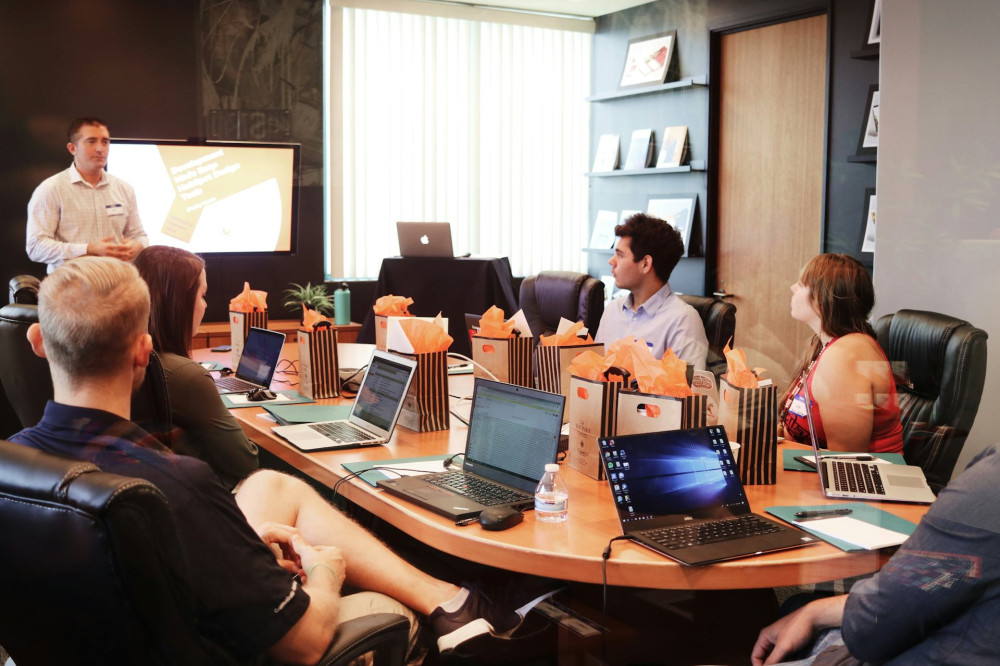
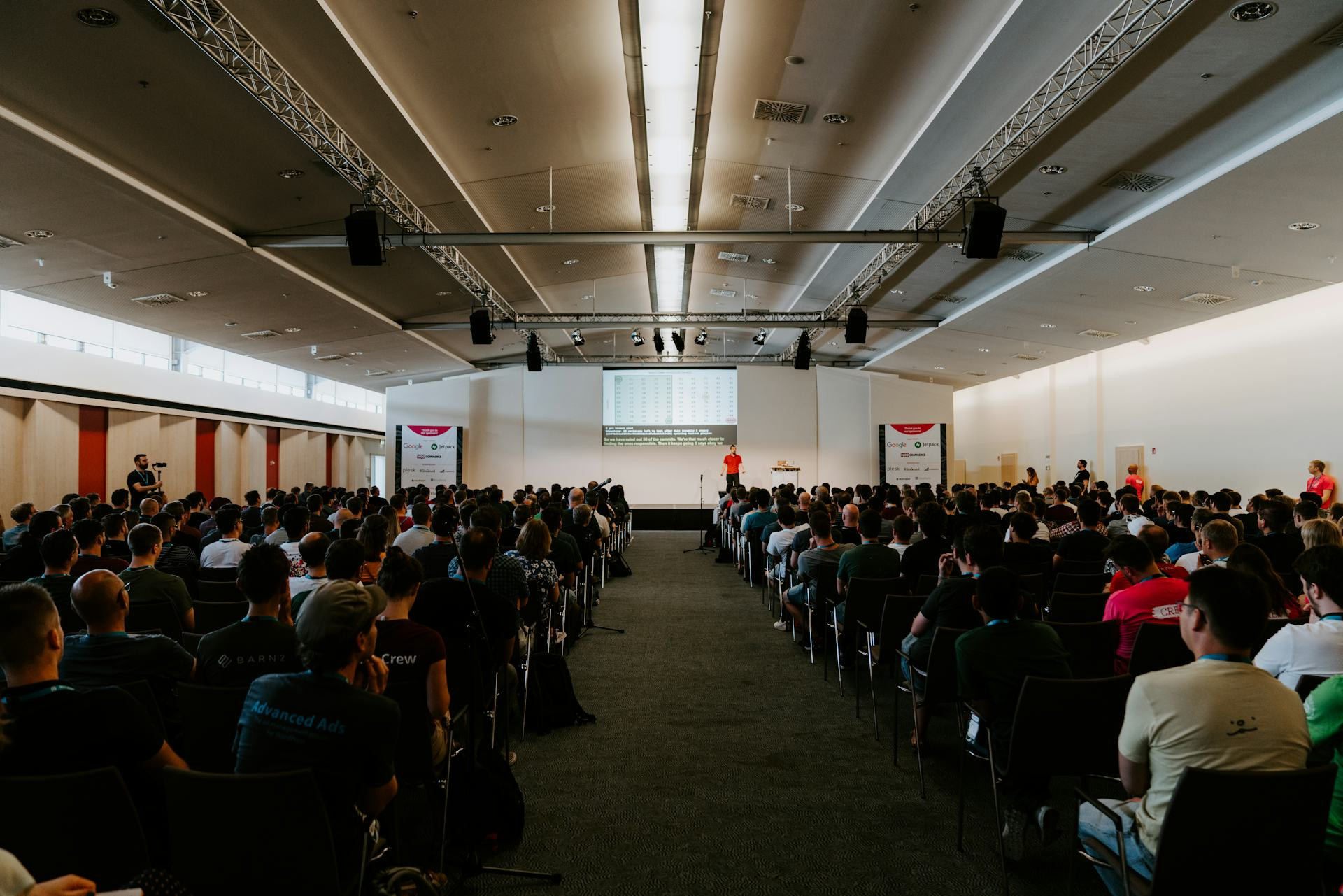
When taking a course, learning is not only about absorbing new information – it’s also about sharing, discussing, and collaborating. Working in groups can be one of the most effective ways to strengthen both motivation and understanding. Learning alongside others challenges us, inspires us, and keeps us accountable in ways that individual study rarely can.
Learning Together, Learning Better
Research in education consistently shows that people remember and understand material more deeply when they engage with it actively – and that often happens through interaction. In a group, you have to explain your ideas, listen to others, and find common ground. This process deepens understanding and makes learning more engaging.
Group work also creates a sense of social responsibility. You show up because others are counting on you, and you do your best because you don’t want to let the team down. That shared commitment can be a powerful motivator – especially on longer courses, where enthusiasm can sometimes fade over time.
Different Strengths, Better Results
One of the great advantages of group work is the diversity of skills and experiences that participants bring. Some people are natural organisers, others are creative thinkers or strong communicators. When these differences are used constructively, the group can achieve more than any individual could alone.
Of course, effective collaboration doesn’t happen automatically. It helps to agree early on how tasks will be divided and how disagreements will be handled. Clear roles and open communication turn diversity into a strength rather than a source of tension.
Motivation Through Belonging
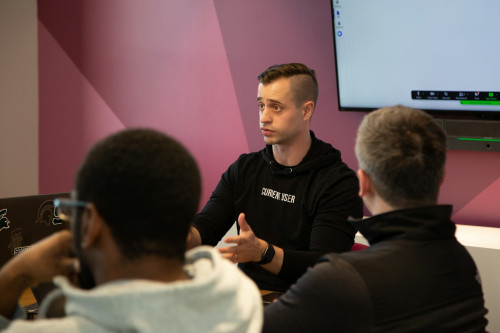
Many learners find that the social side of group work is just as important as the academic side. Feeling part of a team makes it easier to stay motivated – even when the material is challenging. A shared laugh, a supportive message, or a lively debate can make a real difference to morale.
Groups can also provide a safe space to ask questions and test ideas. It’s often through discussion that we discover what we truly understand – and what we still need to work on. That sense of belonging and mutual support can transform the learning experience.
Læs også:
Making the Most of Group Work
To get the best out of group work, a bit of structure and reflection goes a long way. Here are some practical tips:
- Set clear goals – agree on what the group wants to achieve and by when.
- Assign roles – for example, a facilitator, a note-taker, and a timekeeper.
- Communicate openly – be honest about challenges and expectations.
- Use everyone’s strengths – let each person contribute in their own way.
- Review progress regularly – discuss what’s working and what could improve.
When a group works with purpose and respect, collaboration becomes more than a method of learning – it becomes a learning experience in itself.
An Investment in Skills and Relationships
Group work isn’t just about completing assignments. It’s also about building relationships, developing teamwork skills, and learning to communicate effectively – abilities that are valuable far beyond the classroom.
When we learn together, we also learn from one another. That sense of community is one of the most powerful resources in any learning environment – and a source of motivation that can last long after the course has ended.
Læs også: